Friday arrives twice.
First, it arrives in the imagination, carrying music, conversation, a table somewhere, and the suspicion that an ordinary evening might open a part of us left shuttered through too many solitary nights.
We picture the restaurant, the friend we should call, the gathering someone mentioned days ago.
Then Friday actually arrives.
Work ends. The light thins at the windows. The body begins building its case for staying home.
It has been a long week. Traffic will be irritating. The place will be crowded. There is training tomorrow and sleep to reclaim.
Reasonable arguments are excellent disguises.
So the plans contract. The shoes stay by the door. The evening settles into familiar comforts, soft and undemanding.
Often, it is genuinely pleasant.
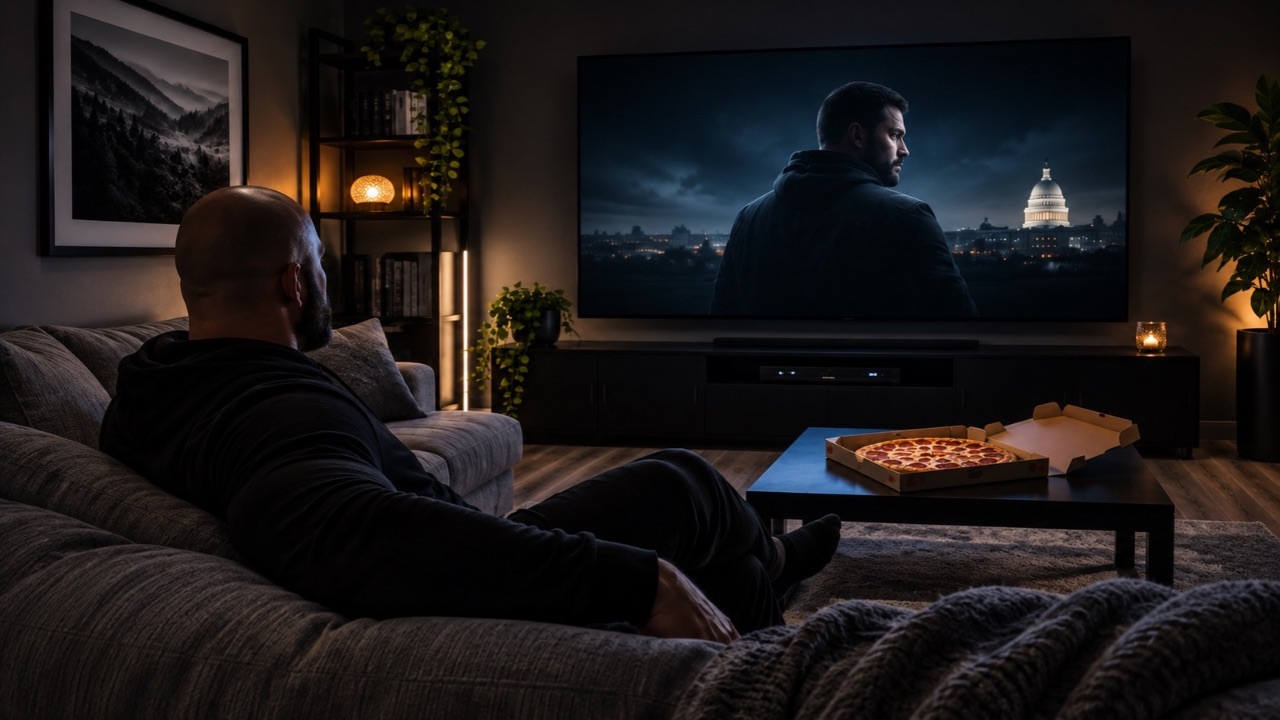
We may read, write, order pizza and turn on Netflix, or disappear into a private world that asks little and gives the hours a respectable shape.
Solitude can be restorative, necessary, even sacred. Some evenings truly return us to ourselves.
But restoration gives something back.
Isolation takes by degrees.
The explanation sounds the same: “I needed the night to myself.”
Sometimes that is true. Sometimes it is a polished sentence covering a less flattering truth: we withdrew again, and comfort won despite never making us happier.
This is not always the loneliness of having no one.
It is the stranger loneliness of repeatedly declining what is already available.
The friends exist. The invitations come. There are names in the phone that would answer, people who would welcome us without asking us to perform or explain.
We are not incapable of connection. Some of us are remarkably good at it.
We know how to enter a room, tell stories, make people laugh, and leave glad we went. The difficulty is not belonging once we arrive. It is crossing the threshold.
We know we usually feel lighter after seeing people. An evening with friends can lift the inner weather in ways a quiet room rarely does.
Still, we stay.
The screen helps counterfeit what is missing.
A message arrives. Someone replies to a story. A friend sends a video. We trade jokes and receive enough small proofs of recognition to feel briefly connected.
Digital friendship can carry tenderness, humor, and real affection across distance.
But it is still an echo.
A notification cannot look across a table and hear what we avoided saying. A comment cannot notice the pause, lower its voice, and ask whether we are actually all right.
A heart icon cannot touch a shoulder. The screen offers contact without requiring presence, one of its finest gifts and quietest hazards.
We receive just enough connection to tolerate disconnection.
Then tolerance becomes routine. Routine becomes preference. Preference hardens into identity.
We call ourselves introverts when perhaps we are only out of practice.
We call it peace when maybe it is merely a life no one interrupts.
Comfort and happiness are not the same thing. Nothing dramatic happens, which is exactly how this loneliness grows.
Not through one great abandonment, but through a hundred small withdrawals. One invitation declined. One call unanswered. One Saturday handed back to the same walls.
One reasonable night at a time.
Eventually, the outside world develops friction.
Friendships remain, but they thin. Community becomes something we admire in photographs and quietly miss in our own lives.
We already know what would help.
Call someone. Accept the invitation. Keep the plan after the hopeful version of you is replaced by the tired version who wants to cancel.
Stay longer than necessary. Let the evening be inefficient. Allow conversation to wander somewhere no algorithm could predict.
Community is not discovered fully formed.
It is assembled through repeated presence, borrowed hours, and the sacred nuisance of other people needing us while we are still learning to need them.
We need longer meals, aimless walks, voices without speakers, faces without filters, and people close enough to interrupt us.
Most of us know this. Then Friday arrives again.
The phone glows. The room is comfortable. Leaving requires effort.
We promise ourselves that next week will be different.
For many people, next week keeps arriving without anything changing.
Not because friendship disappeared or the world closed its doors.
Solitude simply asks less in the moment. Community asks us to leave the house.
Still, the invitation remains. There are people to know more deeply, friendships waiting to be inhabited more fully, and open chairs where our absence is noticed, even when no one says so.
We were not made to exchange fragments of ourselves through glass while our actual lives grow quieter.
We were made for interruption, laughter, witness, and the unedited nearness of other people.
Most of us know that.
But knowing does not open the door. So another evening disappears behind glass, and we offer our loneliness the same quiet promise it has learned to live on:
Maybe next Friday.


